
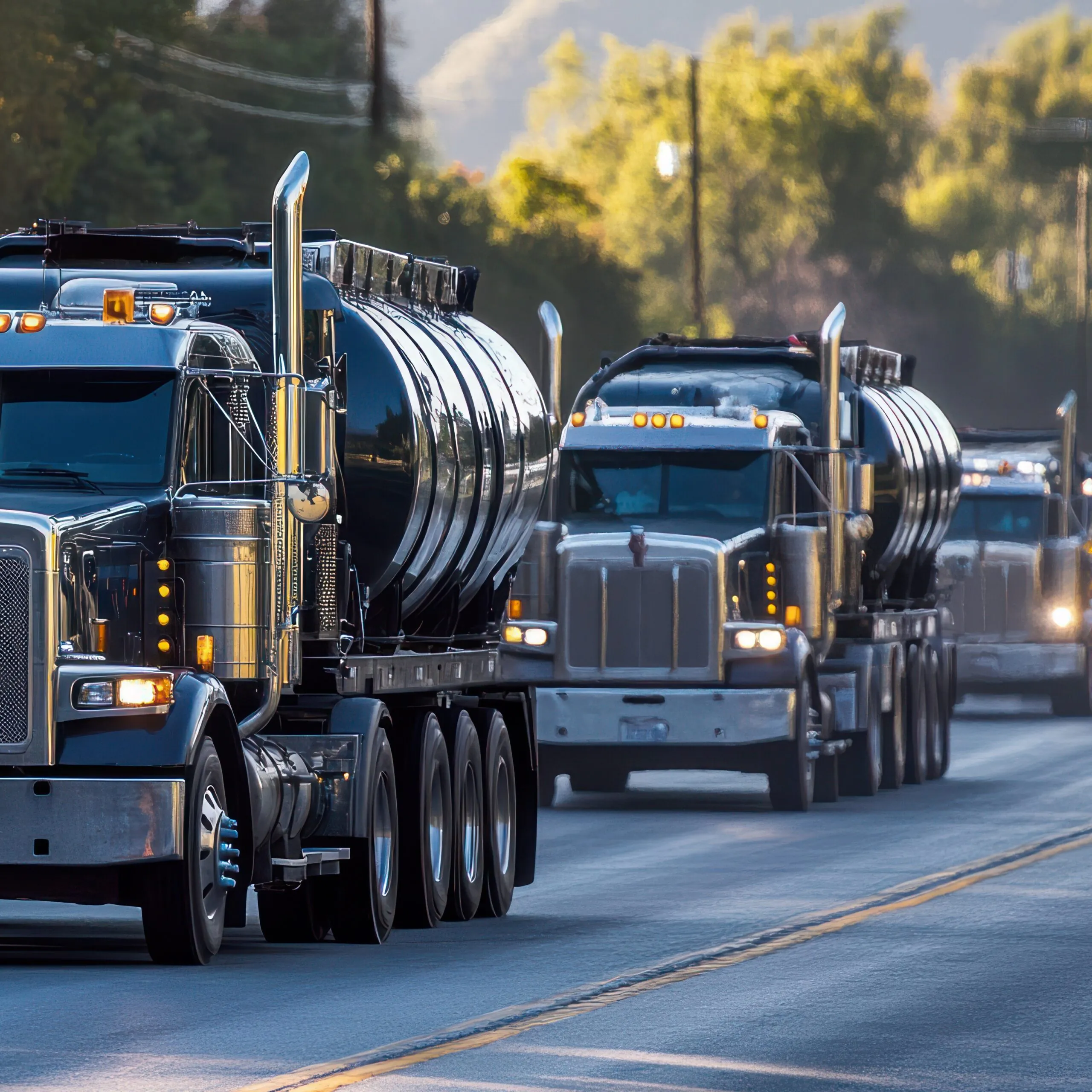
Fuel cards are an elegant solution to the challenge presented by work that must be done off-site with company-owned vehicles. The alternative was, for a long time, reimbursement, receipt chasing, and budget reconciliation long after purchase. Now, fleet card platforms come loaded with benefits like purchase controls, fraud detection, real-time reporting, accounting integrations, and vehicle-level analytics. On paper, that’s the toolkit to make fuel one of the most tightly managed line items in the business. In practice, these features are only as good as the transactions (and the security of those transactions) feeding them. And when fueling happens at hundreds of retail stations across a region, the data is rarely clean enough to let the card program perform at its full potential.
That’s the gap mobile fuel delivery closes. With Booster, the fuel card stays. The retail pump goes away, and the risk of card misuse drops sharply. All the while, the features fleet managers have already bought finally get to operate against the clean, vehicle-level transaction data they were built for, turning the card program from a useful payment instrument into a high-performance fleet management asset. And, Booster is set up to incorporate your fuel card effortlessly.
Integrate with Booster to Keep The Benefits Without Disruption
We built Booster’s Fleet Portal to integrate with all of the fuel card platforms fleet managers are already running, like Wex, Voyager, Comdata, and AtoB. Our onboarding for new customers doesn’t require new billing processes, a new fuel card account, a new vendor relationship, or a retraining cycle for finance teams. The existing card simply becomes the payment method for Booster’s mobile fuel deliveries. The account features that fleet managers rely on to accurately report their fuel usage and costs don’t go anywhere. They simply start working against a smaller, cleaner set of transactions, and start delivering more value from day one.
For fleets also running separate telematics integrations, those systems plug into the same dashboard. Booster connects with Geotab, Samsara, and Verizon, and integrates with major fleet management partners like Enterprise Holdings and ARI. The result is one view of routes, driver behavior, fuel consumption, and spend, drawn from tools that were never originally designed to talk to each other.
Get More From the Fuel Card Program You’re Already Paying For
You can’t unlock every benefit of a fuel card program if you’re feeding the fuel card with less than clean data. And unlocking those benefits is why over 600,000 businesses across the U.S. rely on programs like WEX and AtoB, and why multi-offering platforms like Voyager and Comdata have built out similar ecosystems. These aren’t simple payment instruments. They’re sophisticated fleet management systems, designed around the kind of per-transaction visibility that’s hard to achieve when drivers are spread across hundreds of retail stations.
Many fleets today are forced to make choices between efficiency, cost control, and risk mitigation. Traditional fuel card programs can help businesses pursue most of these goals but not all of them – because there are still too many variables (like fuel stations and individual drivers) and too many records that need reconciling to achieve real-time accuracy.
With Booster’s mobile delivery, fuel arrives at the lot and goes directly into specific vehicles, which means every gallon is tagged to a specific vehicle, location, and shift before the card transaction posts. The card program’s analytics get verified data instead of best-guess reconciliations. Fraud protections operate against a closed transaction loop instead of an open retail network. Accounting integrations pull from a single source instead of dozens of stations. The card program’s features stay where they are. They just start performing at the level they were designed for.
Sharper Spend Controls & Cleaner Records
The structural advantages of a fuel card program don’t just survive the move to mobile fuel delivery. They get measurably sharper.
Fuel card transactions are no longer happening at hundreds of different retail locations across a region. They’re happening through a single delivery relationship, with transparent fixed pricing and per-gallon pricing visible inside the customer dashboard. Finance teams reconciling fuel card activity at the end of the month aren’t chasing down dozens of receipts from stations across multiple zip codes. There’s nothing that can slip through the cracks – like thousands of dollars in fraudulent charges spent across the country. They’re reviewing one consolidated source of truth, organized by vehicle, fleet-owned or -managed location, and shift.
For office staff who can spend significant time each month on fuel card reconciliation, that consolidation returns hours back to the business while tightening the audit trail in the process. Categorized spend, policy enforcement, tax-ready records – every feature the card program was built to deliver – remains intact and works better against a clean transaction set.
Eliminating the Theft and Fraud Equation
Fuel card fraud is one of the most persistent and underreported costs in fleet operations. A Motive survey of more than 100 trucking industry leaders found that roughly half reported fuel fraud accounting for around 5% of their total fuel spend. The fraud protections built into modern fuel cards are sophisticated, but they’re still operating against a wide-open retail network. And, unfortunately, rising fuel costs mean the risk is higher. U.S. industry data suggests fuel theft rises alongside pump prices — National Association of Convenience Stores reported a 22% increase in gasoline theft at non-prepay stations during a period of elevated fuel prices.
Additionally, when the price per gallon is north of $5, every fraudulent transaction costs more in absolute dollars than the same fraud would in a lower-priced market. The mechanics of fuel card fraud – skimmed PINs, off-route fill-ups, personal vehicles fueled on company accounts – all depend on the same condition: a driver standing at a public pump with a card in hand.
Mobile fuel delivery removes that condition entirely. There is no pump to swipe at, no off-route detour to make, and no opportunity to fuel a vehicle that isn’t on the company’s roster. The fuel card stays in play, but it’s now paying a single, verifiable invoice tied to deliveries that have already been measured and logged against specific vehicles. Booster clients report fuel card misuse rates of 0.3% to 0.5% which is well below the 5% to 10% range typical for fleets relying on individual fueling trips. One Booster client saved more than $30,000 by moving away from pay-at-the-pump fueling.
Make Sure You’re Optimizing The Card You Already Have
Fuel cards aren’t going away, nor should they. They remain one of the strongest controls a fleet manager has over spend and policy. The question isn’t whether to keep the card. It’s how to get the most out of it. Pairing the fuel card with mobile fuel delivery preserves every feature the program was built to deliver, sharpens the data those features run on, and removes the retail-pump exposure that drives most card fraud – all without changing card providers, retraining finance teams, or disrupting a single workflow.
If your team is weighing what mobile fuel delivery would mean for your existing fuel card program, reach out to a member of the Booster team for a complimentary fuel analysis. We’ll walk through exactly how the integration looks with the cards and systems your fleet already uses – and where the biggest gains are likely to come from.