
Rising fuel prices are driving conversations across the country. At Booster, we are committed to delivering reliably and affordably to our customers in every market. We do this with a number of strategies that protect fleets from price fluctuation and ensure our customers can stay on the road even when national per gallon price averages top $4 and $5, and go as high as $7 and $8 per gallon on the west coast.
These strategies alongside our operational flexibility helps us protect customer budgets from price shocks.
Optimizing Our Relationships
Part of Booster’s long term strategy has rested in building strong relationships. We work with all of the major fuel suppliers and access a robust network of terminals so that we have consistent access to gasoline, diesel, and renewable diesel. Our diversified approach with multiple suppliers and multiple terminals allows us to proactively prepare for any supply disruptions and ensure we can still deliver to our clients. As we expand into new markets, we add to that network of terminals to ensure every fleet our reliable fuel delivery promise.
We negotiate supplier agreements that serve our customers and our partners. We guarantee to purchase set fuel volumes during a contract period in exchange for the guarantee that our suppliers will have fuel available for us when we order it. Our commitment to them helps us fulfill the commitment we make to our customers. It’s our mission to minimize any chance that individual drivers within our customer fleets will face costly last-minute spot purchases during market disruptions.
Our long term relationships with these suppliers enable us to work together, collaborating on logistics and fuel delivery that works for our team and theirs, so that we, in turn, can reliably deliver to local fleets that need us. Together, our strong partnerships create a more stable, efficient fuel supply chain from top to bottom.
Pricing Strategies That Protect
The price of fuel goes up and down because of a number of factors including: the cost of crude oil, taxes, refining costs, and the cost of distribution and marketing. Unfortunately the cost of crude oil is the largest driver (50-60%) of per gallon cost and is subject to global supply and demand. When geopolitical events occur – as they are now – everyone’s costs go up. Here’s how we help fleet managers plan for the unexpected:
- Integrated pricing tools that help us negotiate the best prices for our customers.
- Reliable delivery schedule that removes fuel station trips from daily costs – that’s labor cost, maintenance cost, and reduced liability that saves thousands of dollars every year.
- Transparent pricing right inside our customer dashboard so that our customers always know what they’re paying. Our customers know what to expect every day.
Booster’s fixed service fees are clearly stated in the customer’s dashboard so that there are no surprises.
Fuel budgets are often some of the most costly line items for a fleet manager. We aim to take the guesswork out of this planning step by buying against an index, transparent pricing in platform, and fixed fees. We can also help savvy fleets strategize a diversified fuel plan that can help a manager purchase strategically when certain fuel types drop in price before others.
Fuel Diversification Opportunities
Fuel diversification is one of the most practical ways to protect fueling budgets when markets are volatile. For diesel fleets, when prices go up, renewable diesel or biodiesel blends can be a cost-effective substitute without affecting the engine. Renewable fuel use can also open the door to tax incentives and compliance credits that directly lower the ultimate cost per gallon, and it burns cleaner, causing less wear and tear on the engine. These incentives combined with less maintenance cost lowers the true cost of fueling.
For mixed fleets of gasoline and diesel vehicles, savvy managers can strategically save by choosing to depend on the vehicles that use the least expensive fuel for the day. When gas is more expensive, lean on diesel or renewable diesel vehicles. And when diesel is more expensive? Lean on gasoline vehicles instead. When a fleet manager can assign different vehicles like this they are able to shift their fuel consumption toward the most cost-effective fuel available at the time they order, rather than being locked into a single choice in an unpredictable market.
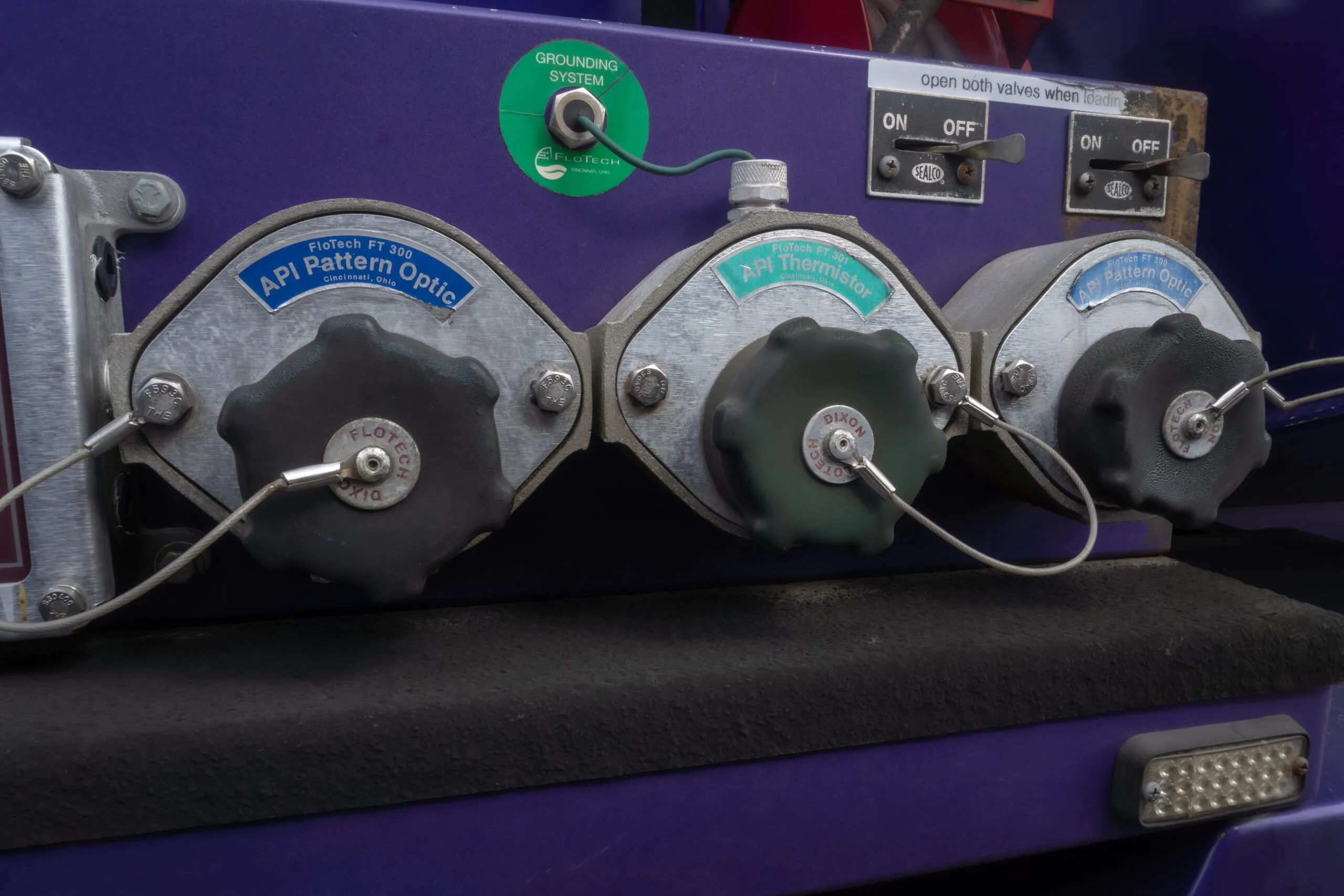
Booster offers gasoline, diesel, renewable diesel, and biodiesel blends to our clients. And our Smart Tankers are able to deliver multiple fuel types in one trip, saving customers from the cost of multiple deliveries. In uncertain conditions, it’s not simply about replacing one fuel with another. It’s about giving our clients more levers to pull so they can stay in control of their fuel spend.
Booster’s promise to reliably deliver fuel to our customers has led us to build inventory redundancies and operational efficiency into our own team. If you are interested in learning about how these strategies can help your team futureproof your fuel budget, reach out to a member of our team today.